
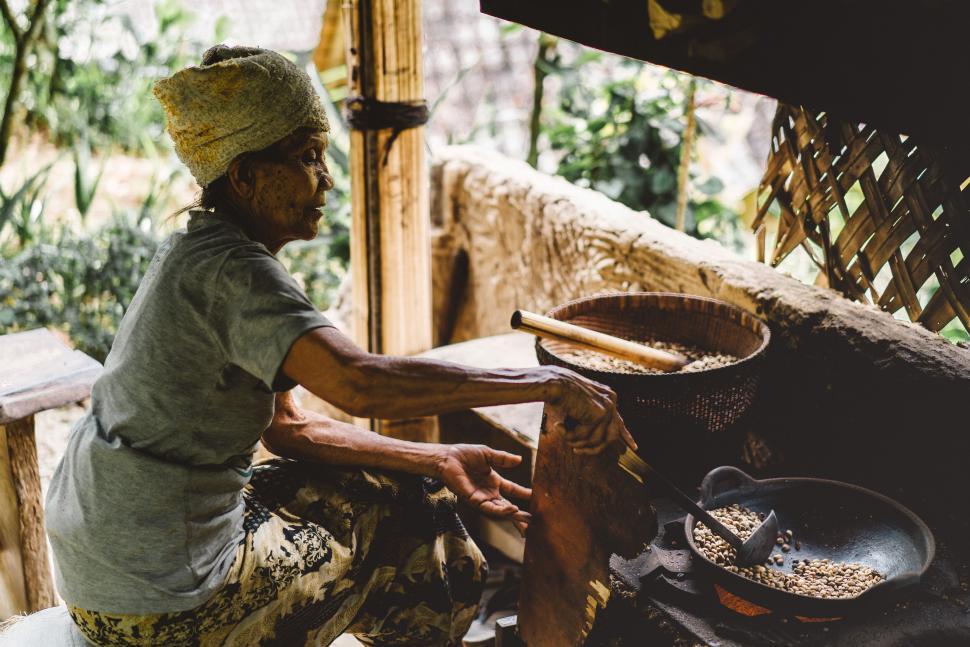
Indian cooking is more than just food—it’s a vibrant tapestry woven from centuries of culture, family traditions, regional diversity, and sacred rituals. It’s about the crackle of mustard seeds in hot oil, the aroma of simmering spices, and the shared laughter in kitchens where recipes are passed from generation to generation. In every Indian dish lies a story—of ancestors, land, climate, and emotion.
Table of Contents
ToggleLet’s dive into the colorful world of traditional Indian cooking and discover what makes it so rich, soulful, and timeless.
Regional Diversity on the Plate
Indian cuisine isn’t a monolith—it’s a mosaic. Each region brings its own flavors, ingredients, and techniques:
-
North India is known for hearty dishes like butter chicken, paneer tikka, and rich gravies made with cream, yogurt, and ghee. Flatbreads like roti, naan, and paratha are staples.
-
South India emphasizes rice, lentils, and coconut, with signature dishes like dosa, sambar, rasam, and chutneys bursting with tang and spice.
-
Eastern India offers mild yet flavorful dishes, including Bengali fish curry and sweets like rasgulla and sandesh.
-
Western India, including Gujarat and Rajasthan, features both sweet and savory flavors in dishes like dhokla, dal baati churma, and spicy pickles.
The Foundation: Spices and Aromatics

Spices are the heartbeat of Indian cooking. But contrary to the misconception, “spicy” doesn’t mean “hot”—it means flavorful and aromatic.
Commonly used spices include:
Cumin (jeera)
Turmeric (haldi)
Coriander (dhania)
Cardamom (elaichi)
Cloves (laung)
Cinnamon (dalchini)
Fenugreek (methi)
Black mustard seeds (rai)
Traditional Indian homes often prepare garam masala—a fragrant spice blend—with each family having its own special mix.
Cooking Techniques Passed Down Generations
Many traditional Indian dishes are slow-cooked to perfection. Curries simmer over low flames, releasing flavors layer by layer. Breads are handmade and baked on open flames or in clay ovens (tandoors). Fermentation is another key practice—used to make idlis, dosas, and even condiments like pickles.
Cooking is often done in heavy-bottomed vessels, like cast iron kadhais or clay pots, which retain heat and enhance flavor.
Indian cooking involves unique, time-honored techniques:
Tadka (Tempering): Hot oil is infused with spices and poured over dal or curry.
Bhuna (Sautéing): Onions, garlic, and spices are slow-cooked to bring out deep flavors.
Dum (Slow cooking in steam): Used in dishes like biryani.
Roti-making by hand: Requires skill, patience, and practice to make the perfect round flatbread.
Importance of Seasonal and Local Ingredients
Traditional Indian kitchens focus on fresh, seasonal produce and local grains:
Summer means lighter foods like yogurt-based dishes and mangoes.
Winter brings root vegetables, ghee-rich foods, and warming spices.
Millets like jowar, bajra, and ragi are making a comeback as sustainable staples.
The Role of Ritual and Family
Cooking in Indian households isn’t just a task—it’s often a sacred ritual. Festivals like Diwali, Holi, Eid, Pongal, and Baisakhi are incomplete without elaborate dishes.
From wedding feasts to temple offerings (prasadam), food connects people to each other and to the divine.
Vegetarian Richness and Balance
India has one of the largest vegetarian populations in the world, and traditional Indian cooking showcases the variety and richness of plant-based meals. From lentil stews (dal) to stuffed vegetables, leafy greens, legumes, and grains, there is a deep understanding of balance, both in flavor and nutrition.
The Role of Ayurveda
Indian food isn’t just about taste—it’s deeply linked to health and wellness. According to Ayurveda, food should balance the body’s doshas (Vata, Pitta, Kapha). That’s why meals often include six tastes: sweet, sour, salty, bitter, pungent, and astringent.
A traditional thali (platter) represents this balance—with lentils, vegetables, rice, roti, chutneys, and dessert all served in harmony.
Why Traditional Indian Cooking Still Matters
In an era of fast food and global fusion, traditional Indian cooking reminds us to slow down, to cook with intention, and to connect with our roots. It’s an art that honors ingredients, celebrates heritage, and invites community.
Whether you’re grinding spices by hand or learning your grandmother’s curry recipe, traditional Indian cooking is a journey—rich in flavor, culture, and soul.