December 16, 2025

September 3, 2025 | pari.digi20@gmail.com

Best Digital Marketing Institute in Meerut: Your Complete Guide

In today’s digital-first world, businesses are shifting rapidly towards online platforms, creating a massive demand for skilled digital marketers. Whether you are a student, working professional, or entrepreneur, learning digital marketing can open countless career opportunities. If you are based in Meerut and searching for the BEST DIGITAL INSTITUTE IN MEERUT, this guide will help you understand what to look for, why it matters, and which institutes stand out.

Why Digital Marketing Skills Are in Demand ?

Digital marketing has become the backbone of every industry. From small businesses to large corporations, everyone relies on online advertising, social media, SEO, and paid campaigns to reach their target audience. According to recent industry reports, India will have more than 1 million job opportunities in digital marketing by 2025, and the demand keeps growing.

Meerut, known for its educational hubs and growing business ecosystem, has seen a rise in students and professionals enrolling in digital marketing courses. The BEST DIGITAL INSTITUTE IN MEERUT can help you gain practical skills, get certified, and secure lucrative career opportunities.

Qualities of the Best Digital Marketing Institute in Meerut

When searching for the right institute, keep the following factors in mind:

1. Comprehensive Curriculum

The institute should cover all aspects of digital marketing, including:

  • Search Engine Optimization (SEO)

  • Social Media Marketing (SMM)

  • Pay-Per-Click (PPC) Advertising

  • Email Marketing

  • Content Marketing

  • Web Analytics

  • Affiliate & Influencer Marketing

2. Experienced Trainers

The BEST DIGITAL MARKETING INSTITUTE IN MEERUT will have trainers with real industry experience, not just theoretical knowledge. Learning from professionals ensures you gain practical insights.

3. Hands-on Training

Digital marketing is a skill-based career. Institutes offering live projects, internships, and real campaign handling provide the most valuable learning experience.

4. Certifications

Look for institutes that provide recognized certifications from Google, HubSpot, or Facebook. These add weight to your resume.

5. Placement Support

A good institute should have tie-ups with companies and offer placement assistance to help students start their careers.

Benefits of Joining the Best Digital Marketing Institute in Meerut

  • Career Growth: Students, job seekers, and professionals can boost their careers with specialized digital marketing skills.

  • Entrepreneurship Edge: Business owners can promote their ventures online without relying solely on agencies.

  • Freelance Opportunities: Digital marketing allows you to work as a freelancer or start your own agency.

  • Affordable Learning: Compared to metro cities, Meerut offers cost-effective digital marketing training without compromising on quality.

Top Courses Offered by Leading Digital Marketing Institutes in Meerut

Most reputed institutes in Meerut offer the following courses:

  1. SEO Course: Learn how to optimize websites for Google ranking.

  2. Social Media Marketing Course: Strategies for Facebook, Instagram, LinkedIn, and more.

  3. Google Ads & PPC Training: Running profitable ad campaigns.

  4. Content Marketing: Writing blogs, ads, and engaging posts.

  5. Email & Automation: Building automated email funnels.

These courses ensure a complete digital skill set.

Who Can Join a Digital Marketing Course?

The BEST DIGITAL MARKETING INSTITUTE IN MEERUT welcomes:

  • Students wanting a future-proof career

  • Working professionals aiming to upskill

  • Housewives looking for work-from-home opportunities

  • Entrepreneurs wanting to grow their business online

  • Freelancers who want to expand their services

How to Choose the Best Digital Marketing Institute in Meerut

Follow this simple checklist:

  • Check Google reviews and testimonials

  • Visit the institute personally

  • Ask about the course structure and duration

  • Inquire about internship and placement support

  • Compare fees and facilities

By doing this, you can ensure that you enroll in the best digital marketing institute in Meerut that suits your needs.

Career Opportunities After Completing the Course

After completing a digital marketing course, you can apply for roles such as:

  • SEO Executive

  • Social Media Manager

  • Google Ads Specialist

  • Digital Marketing Strategist

  • Content Writer

  • Freelance Consultant

The salary packages in this field are highly rewarding, with freshers earning between ₹3 to ₹5 lakhs per year, and experienced professionals crossing ₹10 lakhs annually.

Conclusion

Digital marketing is not just a trend—it is the future of business and career growth. If you want to succeed in this competitive field, enrolling in the best digital marketing institute in Meerut is the smartest decision. With expert trainers, practical learning, and industry-recognized certifications, you can unlock unlimited opportunities in this booming sector.

So, take the first step today. Find the institute that matches your goals, learn the skills, and become a digital marketing professional ready to shine in the online world.

Share: Facebook Twitter Linkedin
June 26, 2025 | pari.digi20@gmail.com

🥗 Starters in Food: The Perfect Beginning to Every Meal

Starters—also known as appetizers or entrées (in some regions)—are the opening act of a meal. They’re typically small, flavorful dishes served before the main course to stimulate the appetite. In both Indian and global cuisines, starters set the tone for what’s to come..

🔥 Popular Types of Starters (Across Cuisines)

1. Fried Starters
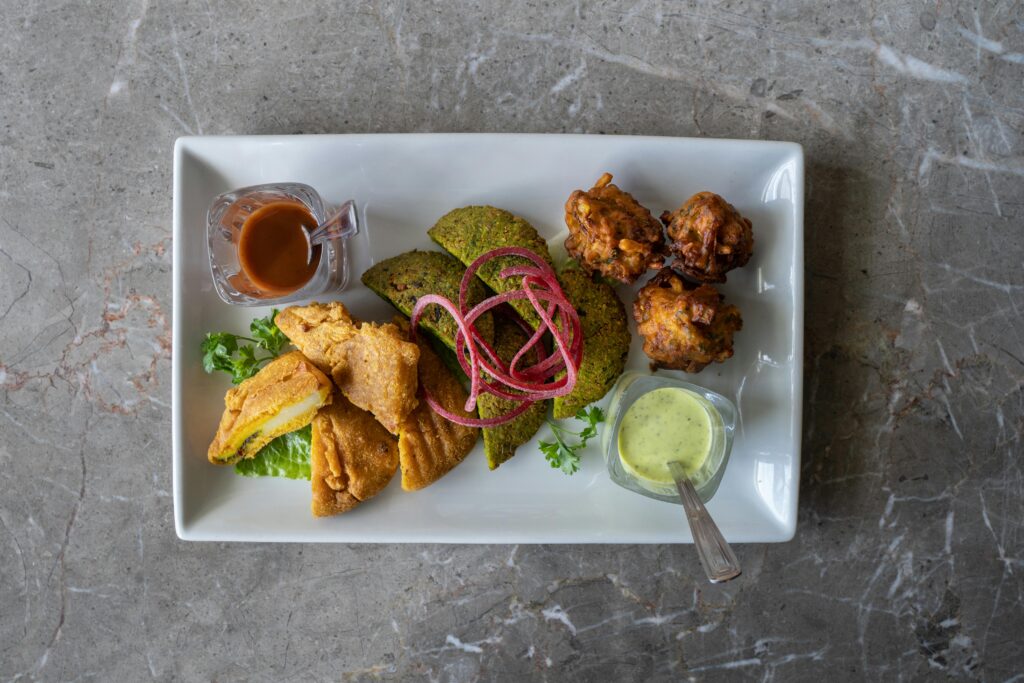
These are crispy, satisfying, and often served hot:

  • Spring Rolls (Asian)

  • French Fries (Global)

  • Chicken Wings (American)

  • Pakoras / Bhajiyas (Indian)

2. Grilled / Tandoori Starters
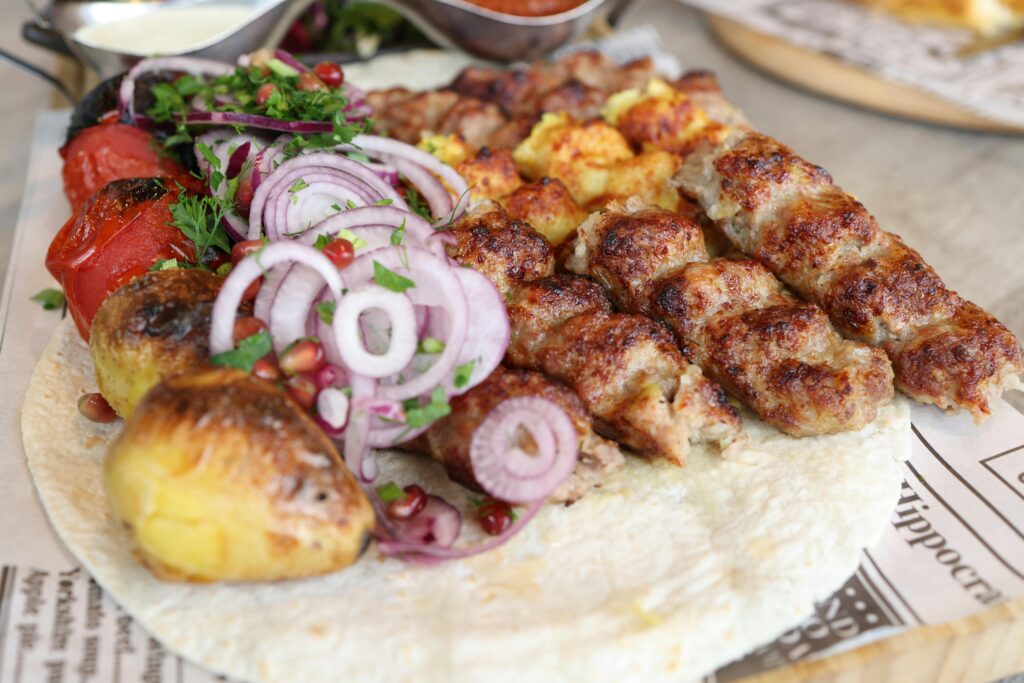
Smoky, juicy, and usually marinated:

  • Tandoori Chicken (Indian)

  • Grilled Paneer Tikka

  • Satay Skewers (Southeast Asian)

  • BBQ Shrimp or Ribs

3. Cold Starters

pexels-lazarus-ziridis-351891426-32639756

Light, refreshing, and often served chilled:

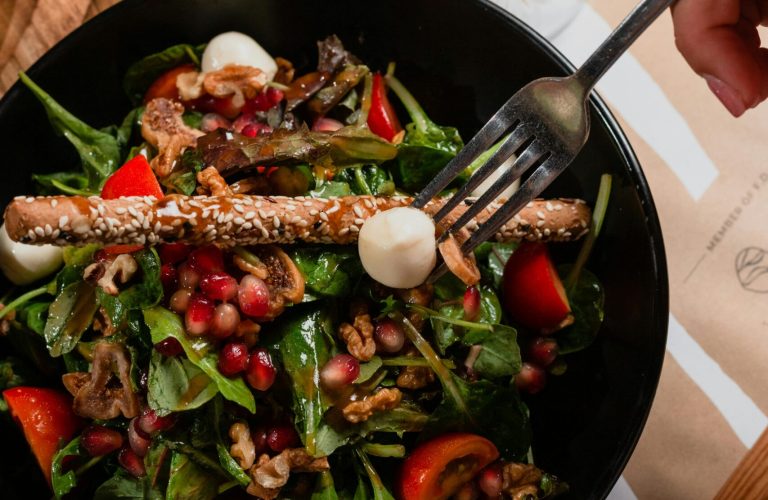
  • Salads (Greek, Caesar, Caprese)

  • Bruschetta (Italian toasted bread with tomato-basil topping)

  • Cold Mezze (Middle Eastern dips like hummus or baba ghanoush)

4. Soups

Warm and often served in small portions before the main dish:

  • Tomato Soup

  • Minestrone (Italian)

  • Hot and Sour Soup (Chinese)

  • Mulligatawny (Anglo-Indian)

5. Finger Foods / Canapés

pexels-polina-tankilevitch-4109274

Ideal for casual or festive settings.

  • Mini Sliders – Bite-sized burgers.

  • Mini Pizzas – Small pizza rounds with various toppings.

  • Deviled Eggs – Classic, creamy stuffed eggs.

  • Cocktail Sausages – Small sausages glazed or grilled.

  • Canapés – Small, decorative bites served on toast or crackers.
Share: Facebook Twitter Linkedin
June 25, 2025 | pari.digi20@gmail.com

Exploring the Flavors of India: A Journey Through Indian Street Food

If you really want to taste the soul of India, skip the fine dining and head straight to the streets. Indian street food is not just a meal—it’s an experience. Bursting with bold flavors, contrasting textures, and mouthwatering aromas, street food in India reflects the country’s diversity, creativity, and deep love for food.

From sizzling pans and aromatic spice clouds to the rhythmic clatter of vendors preparing dishes right before your eyes, Indian street food is an unforgettable adventure.

What Makes Indian Street Food Special?

Indian street food is fast, affordable, and endlessly diverse. It balances the five key tastes—sweet, sour, spicy, salty, and umami—in surprising and delightful ways. Each region offers its own twist, influenced by local ingredients, climate, and culture.

Plus, it’s all about community. People gather around stalls, chat with vendors, and eat standing shoulder-to-shoulder—strangers united by a shared love of good food.

Must-Try Indian Street Foods

Here’s a tour of some iconic Indian street food items you can’t miss:

1. Pani Puri / Golgappa / Puchka

This is arguably India’s most beloved street snack. Hollow, crispy puris are filled with spiced mashed potatoes or chickpeas and dunked in tangy, spicy mint water. Each region has its own name and style, but the joy of eating one after another remains universal.

2. Chaat

A category in itself, chaat includes a range of crunchy, tangy, spicy dishes. Favorites include:

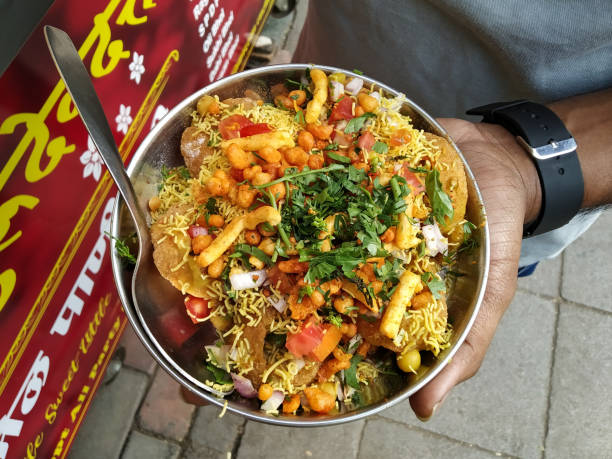
  • Aloo Tikki Chaat – mashed potato patties served with yogurt, chutneys, and crunchy sev.

  • Papdi Chaat – crisp wafers topped with potatoes, chickpeas, yogurt, tamarind, and mint chutney.

It’s messy, flavorful, and addictive.

3. Vada Pav (Mumbai)

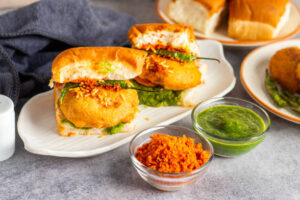
Often called Mumbai’s burger, this is a spicy potato fritter sandwiched in a bun, served with chutneys and fried green chilies. It’s spicy, satisfying, and a staple for the city’s working class.

4. Dosa and Idli (South India)

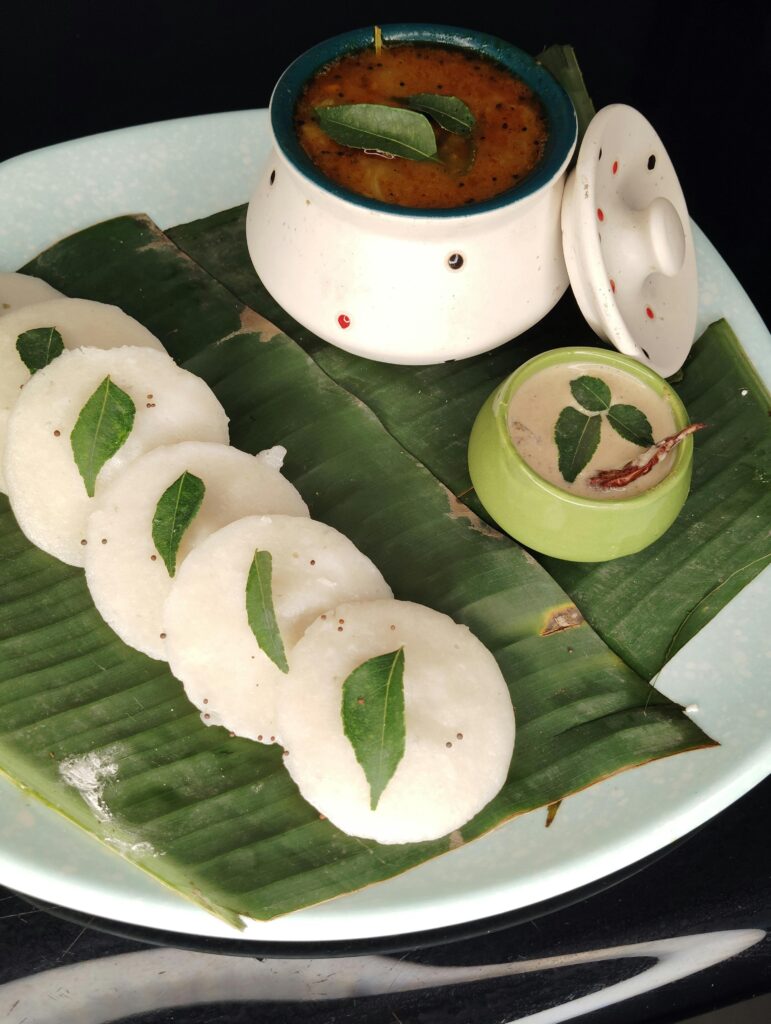
Though traditional, these also shine as street food. Dosas (crispy rice crepes) are often made fresh to order on giant griddles, served with coconut chutney and sambar. Idlis (steamed rice cakes) are soft, fluffy, and easy to eat on the go.

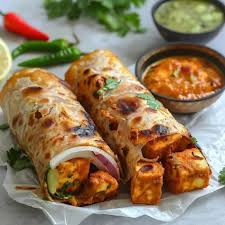
5. Kathi Rolls (Kolkata)

These are flaky paratha wraps filled with spiced meat, egg, paneer, or veggies, topped with onions, chutneys, and a squeeze of lime. Portable, flavorful, and incredibly filling.

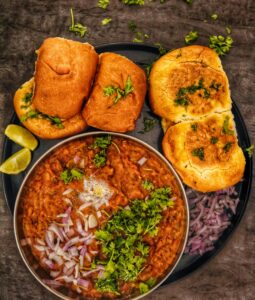
6. Pav Bhaji (Mumbai)

A spicy mashed vegetable curry served with buttery toasted buns, onions, and a squeeze of lemon. It’s rich, hearty, and one of the most comforting street foods in India.

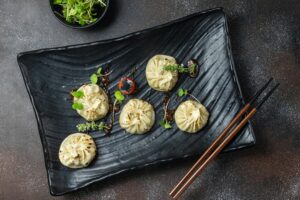
7. Momos (Northeast & Delhi)

These Tibetan-style dumplings are now a street favorite across North India. Steamed or fried, filled with veggies or meat, and served with spicy red chili chutney, they’re perfect for snacking.

Sweet Street Temptations

No Indian street food journey is complete without a taste of something sweet:

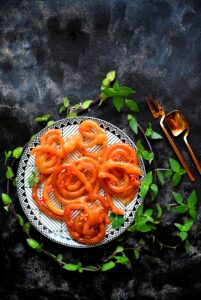
  • Jalebi – Deep-fried coils soaked in saffron syrup, hot and sticky.

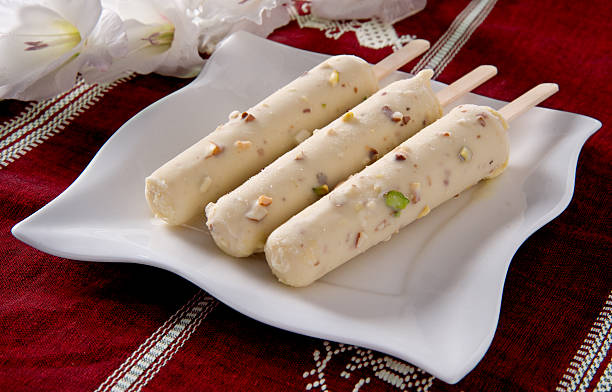
  • Kulfi – Dense Indian ice cream on a stick, often flavored with cardamom, pistachio, or mango.

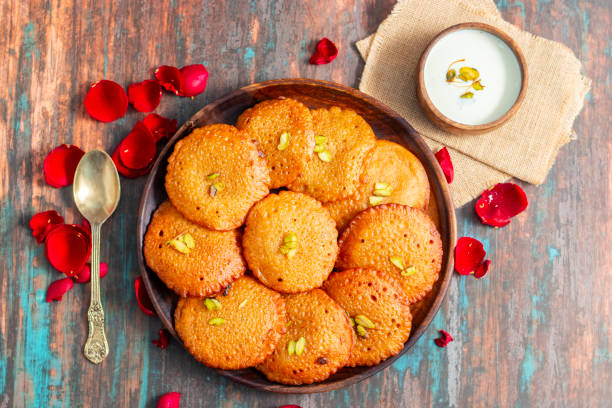
  • Malpua – Pancake-like fritters soaked in syrup, often served during festivals.

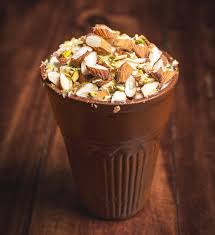
  • Lassi – A cooling yogurt drink, either salty or sweet, topped with malai (cream).

Tips for Enjoying Indian Street Food Safely

  • Follow the locals – A busy stall usually means the food is fresh and trusted.

  • Go for hot food – Items cooked and served hot are usually safer.

  • Avoid raw garnishes if you’re new to the area or have a sensitive stomach.

  • Use bottled water and avoid ice unless you’re sure it’s made from filtered water.

Share: Facebook Twitter Linkedin
June 25, 2025 | pari.digi20@gmail.com

A Taste of Tradition: The Heart of Indian Cooking

Indian cooking is more than just food—it’s a vibrant tapestry woven from centuries of culture, family traditions, regional diversity, and sacred rituals. It’s about the crackle of mustard seeds in hot oil, the aroma of simmering spices, and the shared laughter in kitchens where recipes are passed from generation to generation. In every Indian dish lies a story—of ancestors, land, climate, and emotion.

Let’s dive into the colorful world of traditional Indian cooking and discover what makes it so rich, soulful, and timeless.

Regional Diversity on the Plate

Indian cuisine isn’t a monolith—it’s a mosaic. Each region brings its own flavors, ingredients, and techniques:

  • North India is known for hearty dishes like butter chicken, paneer tikka, and rich gravies made with cream, yogurt, and ghee. Flatbreads like roti, naan, and paratha are staples.

  • South India emphasizes rice, lentils, and coconut, with signature dishes like dosa, sambar, rasam, and chutneys bursting with tang and spice.

  • Eastern India offers mild yet flavorful dishes, including Bengali fish curry and sweets like rasgulla and sandesh.

  • Western India, including Gujarat and Rajasthan, features both sweet and savory flavors in dishes like dhokla, dal baati churma, and spicy pickles.

The Foundation: Spices and Aromatics

Spices are the heartbeat of Indian cooking. But contrary to the misconception, “spicy” doesn’t mean “hot”—it means flavorful and aromatic.

Commonly used spices include:

Cumin (jeera)

Turmeric (haldi)

Coriander (dhania)

Cardamom (elaichi)

Cloves (laung)

Cinnamon (dalchini)

Fenugreek (methi)

Black mustard seeds (rai)


Traditional Indian homes often prepare garam masala—a fragrant spice blend—with each family having its own special mix.

Cooking Techniques Passed Down Generations

Many traditional Indian dishes are slow-cooked to perfection. Curries simmer over low flames, releasing flavors layer by layer. Breads are handmade and baked on open flames or in clay ovens (tandoors). Fermentation is another key practice—used to make idlis, dosas, and even condiments like pickles.

Cooking is often done in heavy-bottomed vessels, like cast iron kadhais or clay pots, which retain heat and enhance flavor.

Indian cooking involves unique, time-honored techniques:

Tadka (Tempering): Hot oil is infused with spices and poured over dal or curry.

Bhuna (Sautéing): Onions, garlic, and spices are slow-cooked to bring out deep flavors.

Dum (Slow cooking in steam): Used in dishes like biryani.

Roti-making by hand: Requires skill, patience, and practice to make the perfect round flatbread.

Importance of Seasonal and Local Ingredients

Traditional Indian kitchens focus on fresh, seasonal produce and local grains:

Summer means lighter foods like yogurt-based dishes and mangoes.

Winter brings root vegetables, ghee-rich foods, and warming spices.

Millets like jowar, bajra, and ragi are making a comeback as sustainable staples.

The Role of Ritual and Family

Cooking in Indian households isn’t just a task—it’s often a sacred ritual. Festivals like Diwali, Holi, Eid, Pongal, and Baisakhi are incomplete without elaborate dishes.

From wedding feasts to temple offerings (prasadam), food connects people to each other and to the divine.

Vegetarian Richness and Balance

India has one of the largest vegetarian populations in the world, and traditional Indian cooking showcases the variety and richness of plant-based meals. From lentil stews (dal) to stuffed vegetables, leafy greens, legumes, and grains, there is a deep understanding of balance, both in flavor and nutrition.

The Role of Ayurveda

Indian food isn’t just about taste—it’s deeply linked to health and wellness. According to Ayurveda, food should balance the body’s doshas (Vata, Pitta, Kapha). That’s why meals often include six tastes: sweet, sour, salty, bitter, pungent, and astringent.

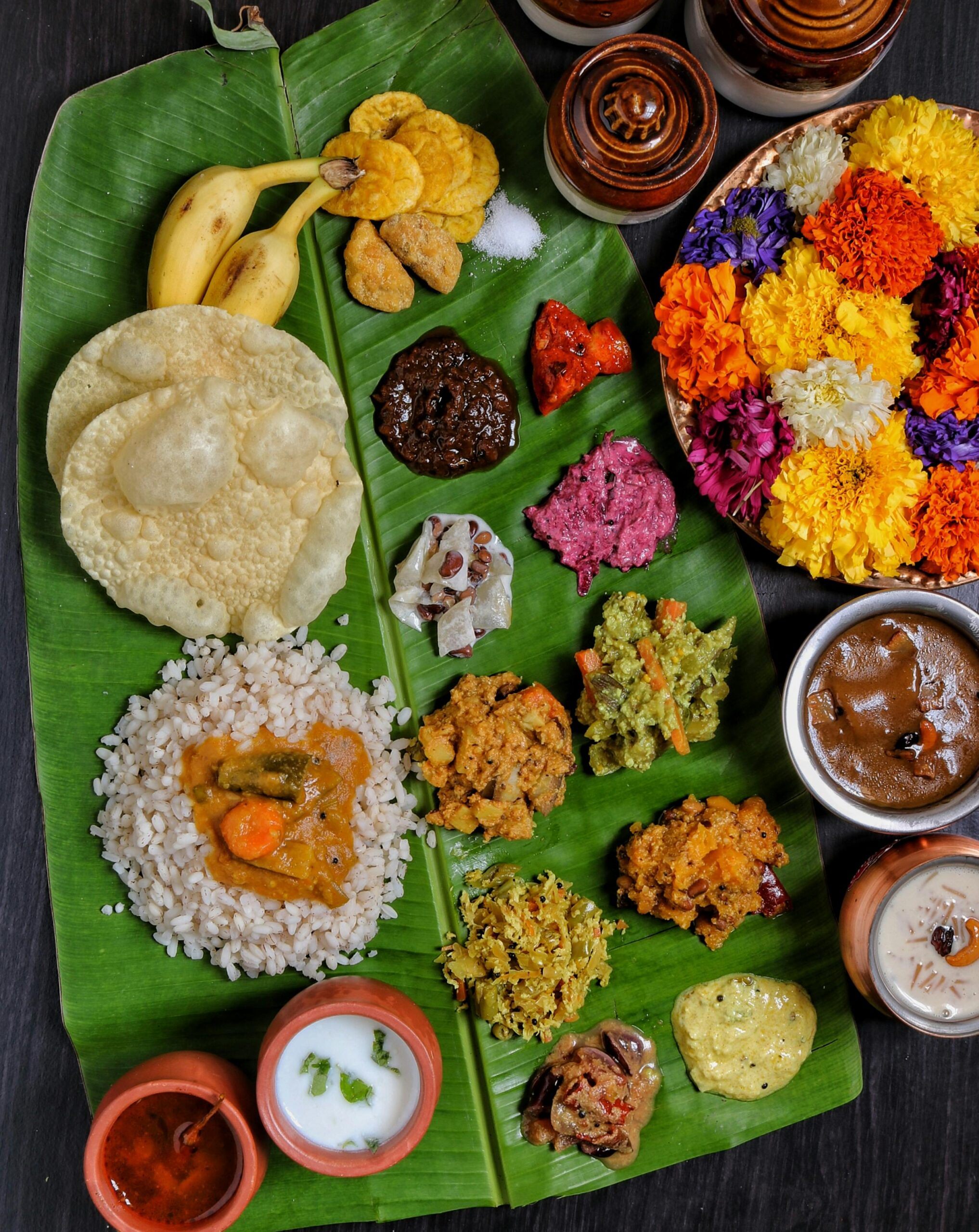
A traditional thali (platter) represents this balance—with lentils, vegetables, rice, roti, chutneys, and dessert all served in harmony.

Why Traditional Indian Cooking Still Matters

In an era of fast food and global fusion, traditional Indian cooking reminds us to slow down, to cook with intention, and to connect with our roots. It’s an art that honors ingredients, celebrates heritage, and invites community.

Whether you’re grinding spices by hand or learning your grandmother’s curry recipe, traditional Indian cooking is a journey—rich in flavor, culture, and soul.

Share: Facebook Twitter Linkedin